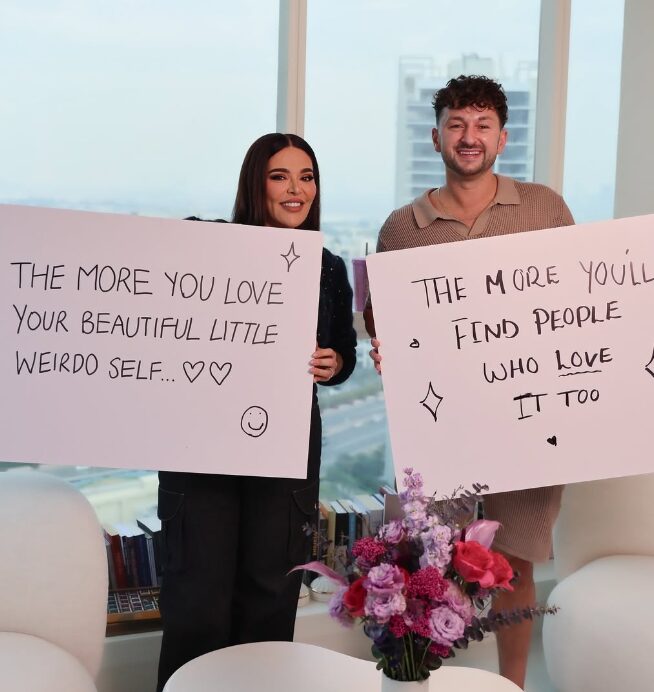
You don't need 27 million followers to do what Zachery Dereniowski does. You don't need a videographer, a Slingshot campaign, or a celebrity guest. You don't even need a cardboard sign — though, honestly, a cardboard sign is allowed.
Most of what makes MDMotivator videos work is something almost anyone can do with what they already have on hand. Across five years of his content, the same patterns keep showing up. Here are seven of them, translated into things you can actually do this week.
This article is the closing piece of our deep-dive series on MDMotivator. If you've read the others, the connections will be obvious. If this is your first stop, welcome — start here, then poke around the rest of the site for the deeper stories.
1. Stop for the Person Most People Walked Past
The most consistent through-line in MDMotivator's work is that he stops. The signs change. The cities change. The format evolves. But the core action stays the same: he stops for someone the rest of the street decided not to notice.
You can do this without filming anything. Pick one person this week — somebody asking for change, somebody who looks like they're having a hard moment, somebody sitting alone where most people would assume they want to be left alone — and stop. You don't have to fix anything. You don't have to fix anything. You just have to acknowledge them out loud as a person.
Most of what makes MDMotivator's videos hit is built on this single instinct. The Denise story we covered in our Detroit deep dive happened because she stopped on a street where almost everyone else kept moving. The bar is just don't keep moving.
2. Pay for a Stranger's Coffee or Meal
The cleanest, lowest-friction kindness move available to most adults. You don't have to start a conversation. You don't have to be visible about it. You just tell the cashier or barista you'd like to cover the order behind you, and you walk away.
A version of this that works particularly well: drive-through. Pay for the car behind you in line. They'll find out about it twelve seconds after you've already pulled away. You'll never see their reaction. They'll never thank you. That's part of what makes it land — there's no audience for it, which means it can only have come from the actual desire to be kind.
If you want a slight upgrade, try this once a week for a month. The compounding effect on your own mood is real, even if you never see the recipients.
3. Donate to an MDMotivator Slingshot Campaign
If you watch the videos, the most direct way to extend the work is to donate to the active campaigns. The Slingshot platform we covered in our explainer hosts both individual recipient fundraisers and a master kindness page that funds the broader operation.
The minimum donation is small. Five dollars matters in the same way two dollars mattered when Denise gave hers in the rain. The point isn't the amount. The point is that the campaign multiplies what individual donors contribute into life-changing outcomes for the recipients. You're not just giving to a stranger. You're stacking small contributions on top of thousands of other small contributions, which is the entire mechanic that makes a $100,000 fundraiser possible.
If giving to a person you've seen in a specific video doesn't appeal, the master Kindness Is Cool donation page funds the broader work — the surprises, the gifts, the production of the moments that haven't happened yet.
4. Write a Note Someone Won't Expect
This one's free, takes five minutes, and produces an outsized emotional return.
Pick someone in your life — not the obvious choice — and write them a short, specific note about something you appreciate about them. Not a generic I value you. A specific the way you handled [thing] last week was something I've been thinking about, and I wanted to tell you.
Send it as a text. Mail it as a card. Slide it under a door. Drop it in a coworker's bag. The medium doesn't matter. The specificity does.
This works because most adults walk through life feeling like the things they do well aren't being noticed. A small piece of unsolicited evidence to the contrary can rearrange somebody's whole week. You're providing them, in writing, something they probably can't easily generate for themselves.
5. Tip Generously, On Purpose
One of the easiest places to practice direct, repeatable kindness is in the tip line. Servers, baristas, drivers, delivery folks, hairdressers, hotel housekeeping staff — all of these jobs run on tips, and most of them get under-tipped most of the time.
Pick one or two of these contexts this week and overtip on purpose. Not by a few cents. By a meaningful amount — twenty dollars, fifty if you can swing it. If your meal was twelve dollars and you can afford to leave a forty-dollar tip on it, do that, with no explanation.
The beauty of this approach is that you'll never know how much it mattered to the person on the other end. They might be a single parent who's been working a double shift. They might be a college student who just had a brutal week. They might be somebody fresh out of a hard chapter who needed a small reminder that the world isn't only working against them. You won't get the satisfaction of seeing the impact. That's part of why it counts.
6. Volunteer for or Donate to an Actual Mental Health Resource
A theme that runs through every MDMotivator article in this series is that Zachery has been consistent about one thing: he's an advocate, not a clinician. His videos point toward professional support, not away from it.
If MDMotivator's work has resonated with you personally — if his videos have made you feel less alone, or made you reconsider how you treat other people — one of the most useful things you can do is contribute to the actual professional infrastructure he points toward.
That can look like a donation to a mental health nonprofit in your area. It can look like volunteering for a crisis line. It can look like supporting a scholarship program — the Mental Health Movement scholarship co-founded by Zachery and Dr. Jake Goodman, which we covered in our dedicated article, is an example of exactly this kind of work that fans can directly support.
The volunteer or donation hour you give to one of these organizations does work that no individual TikTok video can do, and it's part of the same broader mission.
7. Be the Reason Someone Smiles, Without Posting About It
This is the closing principle, and it's the one that probably matters most.
The cultural moment we live in pushes everything toward documentation. If a kindness happens and isn't filmed, the unspoken question is whether it really counted. MDMotivator's videos themselves are a complicated participant in that culture — they're filmed, after all. But the broader philosophy of the channel, articulated repeatedly across interviews and captions, is that the smallest, quietest, most invisible acts of kindness are the ones that change the world.
So once this week, do something kind for somebody and don't tell anyone. Don't post about it. Don't mention it to a friend afterward as a credentialing thing. Don't film it. Don't even think about how good a story it would make later.
Just do it, and let the only record of it be the moment it happened in the other person's life.
That's the version of MDMotivator's mission that doesn't require a camera, a sign, a sponsor, a celebrity, or a Slingshot campaign. It's the version that's available to absolutely anyone, every day, for free.
Closing Thoughts
This is the last article in our series. We started in Windsor, walked through Sydney, sat with Patrick Glaz behind the camera, decoded the iconic signs, mapped the giving infrastructure, and recapped the biggest stories of the past two years. If you've read the whole series, thank you for sticking with us — you've covered a lot of ground.
But the point of MDMotivator was never really about him. It was always about the question every video asks in different words: who are we to each other?
The seven items above are seven different answers. There are thousands more. Pick one, or pick your own, and try it this week.
Be kind. Love always. Kindness is cool.
Sources
- Slingshot Giving — MDMotivator's master kindness donation page: https://slingshot.giving/kindness
- Kindness Is Cool / The Kind Closet: https://thekindcloset.com/home/
- "Mental Health Movement x Picmonic Scholarship" — Bold.org: https://bold.org/scholarships/mental-health-movement-x-picmonic-scholarship/
- 988 Suicide and Crisis Lifeline (U.S. and Canada): https://988lifeline.org/
- "10 Fun Facts About MDMotivator" — TheVibely, including the advocate, not a guru framing that runs through this article: https://thevibely.com/celebrities/facts-mdmotivator-zachery-dereniowski/
A note on this article: nothing in this piece should be read as professional mental health advice. If you or someone you know is in crisis, please call or text 988 in the U.S. and Canada to reach the Suicide and Crisis Lifeline, available 24/7. You are not alone.
This article is part of an independent fan site dedicated to documenting the work, life, and impact of Zachery Dereniowski (MDMotivator). We are not affiliated with Zachery, his team, Kindness Is Cool, the Mental Health Movement, the KindnessWithZachery Foundation, or any of his sponsors. All content is researched and written by fans, sourced from public material, and intended as celebratory and informational. To follow Zachery directly, visit @mdmotivator on TikTok or Instagram.